
Comparing Vinyl Siding Thickness and Performance
When homeowners shop for new siding, color and style usually get the most attention. But one of the most important details hiding behind the design is siding thickness. Vinyl siding thickness directly impacts durability, weather resistance, appearance, and long-term performance. With multiple thickness options available, understanding how thickness affects your home can help you make a smarter investment.
Polaris Siding offers a wide range of vinyl siding products in several thickness levels, giving homeowners flexibility to balance performance, aesthetics, and budget. From traditional panels to insulated systems, Polaris siding is designed to provide long-lasting curb appeal with dependable protection.
Why Vinyl Siding Thickness Matters
Vinyl siding thickness is typically measured in inches, such as .040, .042, .044, or .046. While these differences may seem small, they can significantly influence how siding performs over time.
Thicker siding generally provides:
Greater rigidity and structural stability
Better resistance to warping and sagging
Improved impact resistance against hail and debris
Enhanced wind performance
A straighter, more premium appearance
Increased durability over decades of exposure
Thinner siding can still perform well when properly installed, but it may be more susceptible to movement, waviness, and damage in harsh climates.
According to Polaris Traditional Siding, Polaris offers traditional vinyl siding in four thickness levels: .040, .042, .044, and .046 panels, all engineered to meet industry performance standards.
Understanding the Different Thickness Levels
.040 Vinyl Siding
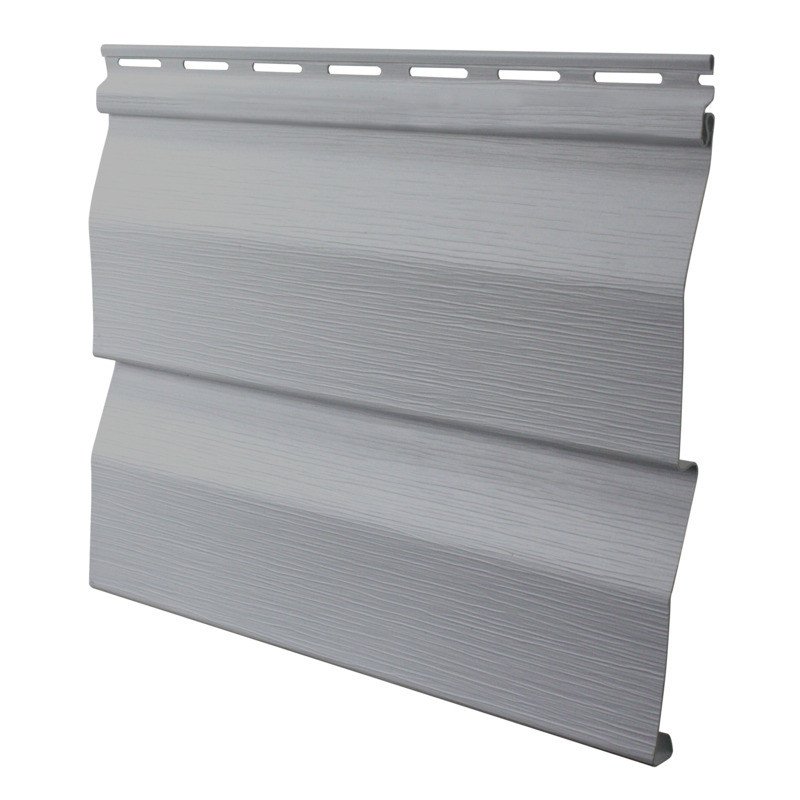
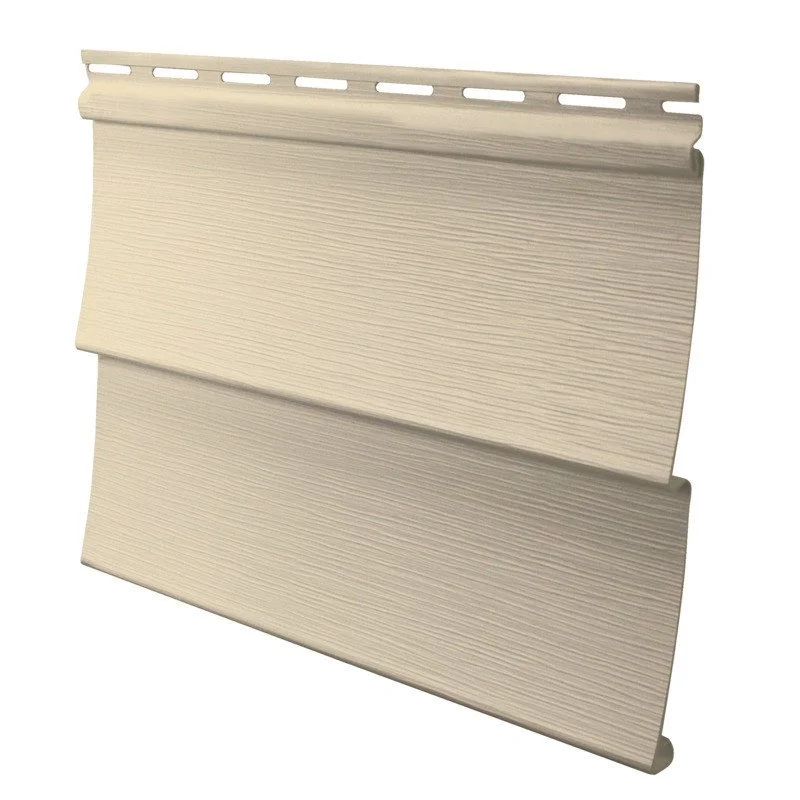
This is often considered an entry-level premium thickness. Polaris Edge™ Vinyl Siding uses a .040 thickness panel while still delivering strong performance features like reinforced nail hems and resistance to dents and fading.
A .040 panel is ideal for:
Budget-conscious homeowners
Moderate climates
Rental properties
Homeowners wanting reliable protection without premium pricing
Even at this thickness, Polaris siding maintains windload ratings up to approximately 193 mph, demonstrating how proper engineering matters alongside thickness.
.042 and .044 Vinyl Siding
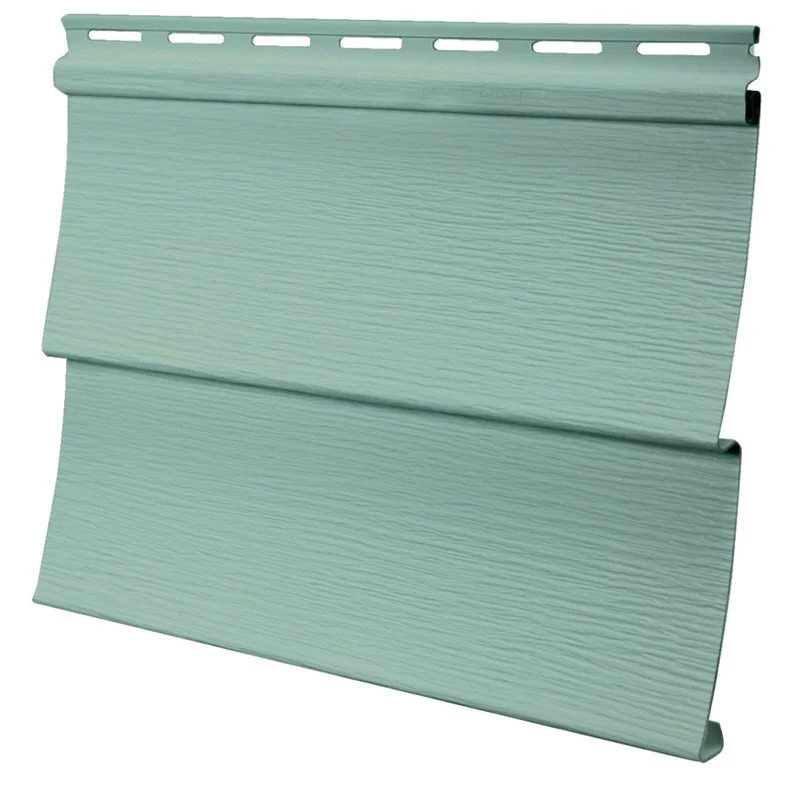
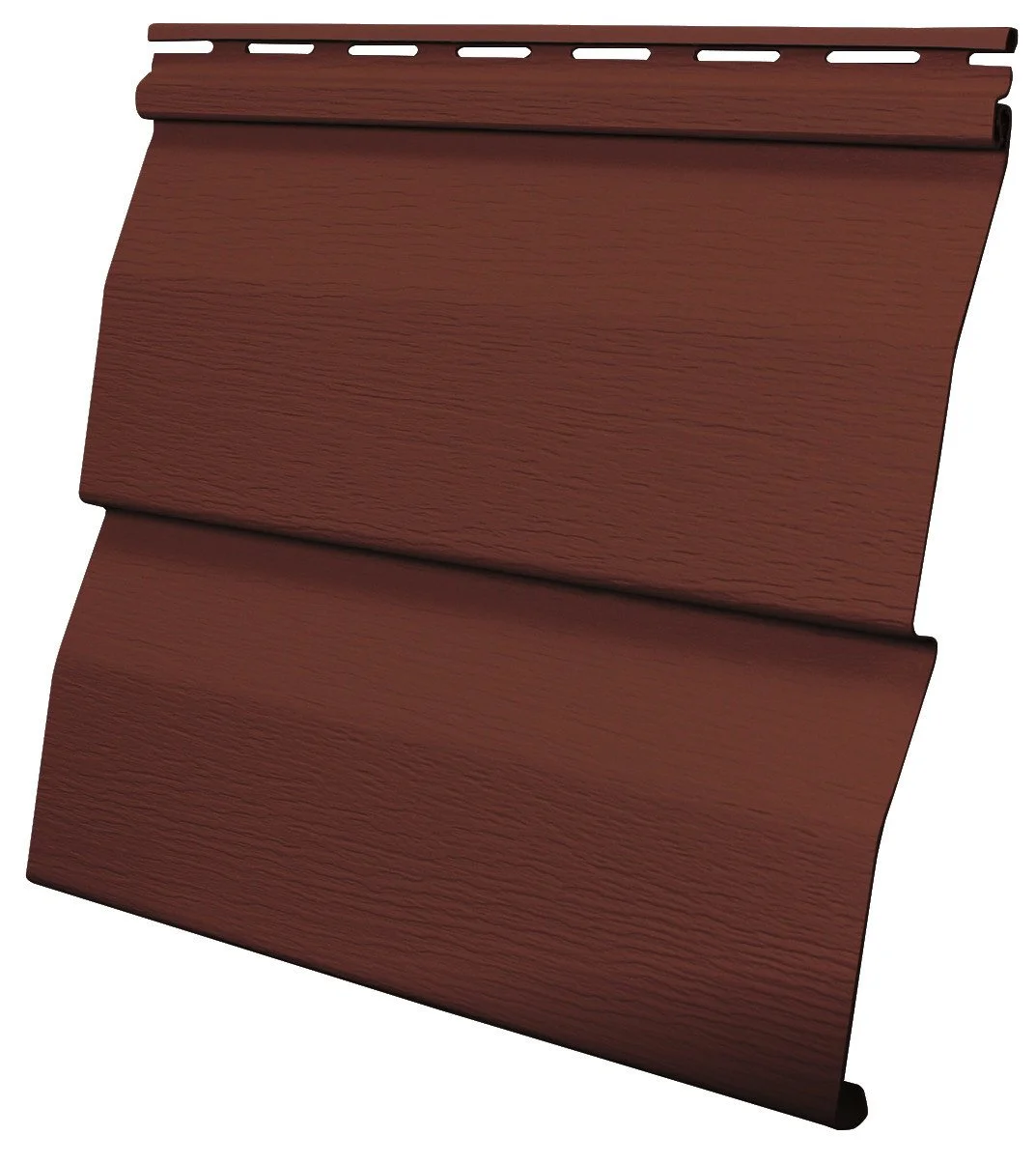
These mid-range thicknesses strike a balance between affordability and enhanced durability. Homeowners often choose these options when they want:
Better rigidity
Improved curb appeal
Enhanced resistance to waviness
Longer-lasting appearance
These panels tend to hold their shape better over time, especially on larger wall spans or homes exposed to temperature swings.
.046 Vinyl Siding
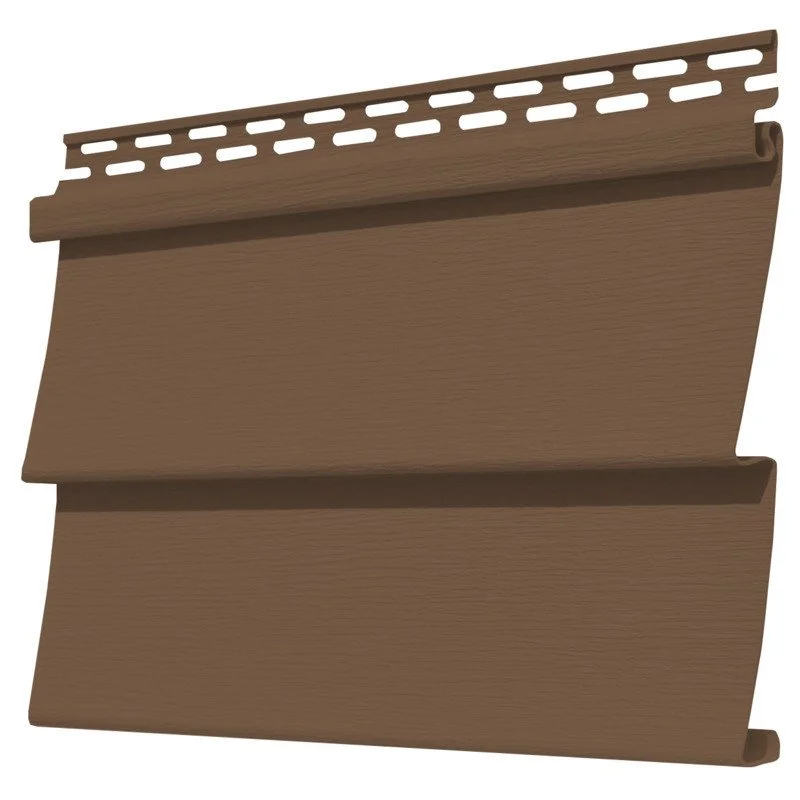
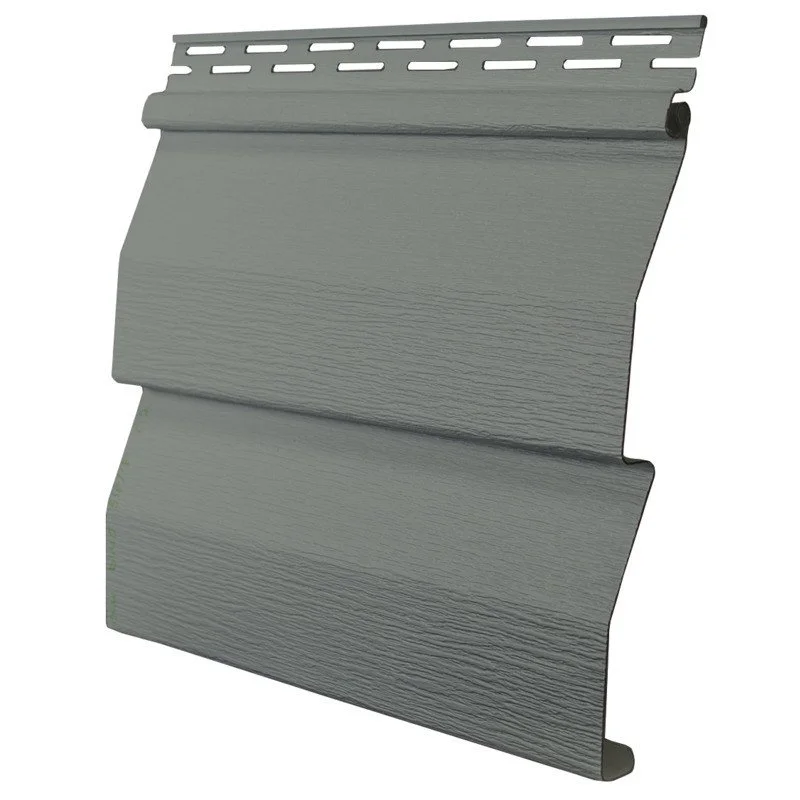
A .046 panel is considered a heavy-duty premium siding option. Polaris uses .046 thickness in several product lines, including insulated siding systems and UltraSide products.
Benefits of thicker .046 siding include:
Superior rigidity
Straighter wall appearance
Greater impact resistance
Reduced risk of sagging or oil-canning
Better support in extreme weather conditions
For homeowners planning to stay in their homes long term, thicker siding often delivers greater value because of its durability and reduced maintenance concerns.
How Thickness Affects Appearance
One of the biggest visual differences between thinner and thicker vinyl siding is how flat and stable the panels appear once installed.
Thicker siding panels are less likely to:
Ripple
Bow
Flex
Show imperfections from uneven walls
Polaris insulated siding systems go even further by combining thicker vinyl panels with contoured foam backing. This additional support helps eliminate the hollow void behind the siding, creating straighter walls and reducing waving or warping over time.
This is especially important on older homes where wall surfaces may not be perfectly even.
Wind and Weather Performance
Performance during storms is another major consideration.
Polaris siding products are engineered for high wind resistance, with many profiles rated for windloads around 193 mph.
Thicker siding typically performs better under:
High winds
Hail impacts
Extreme temperature fluctuations
Freeze-thaw cycles
Insulated siding also acts as a shock absorber because the foam backing fills the space behind the panel, helping resist dents and impacts.
For homeowners in regions with severe weather, thicker or insulated siding can provide added peace of mind.
Which Thickness Is Right for Your Home?
The best siding thickness depends on your priorities, climate, and long-term plans.
Choose .040 siding if:
Budget is your top concern
You live in a milder climate
You want dependable performance at a lower price point
Choose .042 or .044 siding if:
You want a balance of value and durability
You plan to stay in your home for many years
You want improved appearance and rigidity
Choose .046 or insulated siding if:
You want premium durability
Your home experiences harsh weather
Energy efficiency matters
You want the straightest, most refined appearance possible
The Polaris Advantage
Polaris siding stands out because it combines multiple thickness options with advanced engineering and premium design features. Whether you choose traditional or insulated siding, Polaris products are manufactured to meet or exceed ASTM D3679 industry standards and are backed by strong lifetime warranties.
From reinforced nail hems to insulated backing systems, Polaris focuses on creating siding that performs as beautifully as it looks.
Final Thoughts
Vinyl siding thickness may seem like a small specification, but it plays a major role in your home’s durability, appearance, and long-term performance. Thicker siding generally delivers greater rigidity, better weather resistance, and a more premium look, while insulated systems add even more protection and energy efficiency.
With multiple thickness options and insulated solutions available, Polaris Siding Products give homeowners the flexibility to choose the right balance of performance, aesthetics, and value for their home improvement project.