
The Complete Homeowner’s Guide to Vinyl Siding
When it comes to protecting and transforming your home’s exterior, vinyl siding remains one of the most popular choices for homeowners across the country. Its combination of durability, affordability, low maintenance, and curb appeal makes it a smart long-term investment. Among today’s leading options, Polaris Siding stands out for its focus on performance, energy efficiency, and design versatility.
Whether you’re building a new home or replacing outdated siding, this guide covers everything homeowners should know about vinyl siding, from materials and styles to insulation, maintenance, and choosing the right product for your home.
What Is Vinyl Siding?
Vinyl siding is an exterior cladding product made primarily from PVC (polyvinyl chloride). It is designed to protect homes from weather while providing a clean, attractive appearance. Modern vinyl siding comes in a wide variety of colors, textures, profiles, and thicknesses, allowing homeowners to customize the look of their home without the ongoing upkeep required by wood or other materials.
Today’s premium vinyl siding products are far more advanced than earlier generations. Improved engineering has increased durability, wind resistance, fade protection, and energy performance. (polarissiding.com)
Why Homeowners Choose Vinyl Siding
Low Maintenance
One of the biggest advantages of vinyl siding is how little maintenance it requires. Unlike wood siding, vinyl does not need scraping, staining, or repainting every few years. Occasional cleaning with water and mild soap is usually enough to keep it looking fresh.
Durability
High-quality vinyl siding is built to handle harsh weather conditions, including strong winds, moisture, and seasonal temperature swings. Polaris siding products feature windload ratings up to approximately 193 mph on select profiles, offering homeowners confidence in severe weather conditions. (polarissiding.com)
Cost-Effective Exterior Protection
Vinyl siding delivers strong long-term value because it combines relatively affordable installation costs with minimal maintenance expenses over time. Many homeowners appreciate that they can achieve a premium appearance without the high upkeep associated with traditional materials.
Design Flexibility
Modern vinyl siding is available in numerous styles, including traditional clapboard, Dutch lap, shake, board-and-batten, and insulated profiles. Polaris offers multiple panel thicknesses, textures, and color selections to fit both modern and traditional architectural styles. (polarissiding.com)
Understanding Vinyl Siding Thickness
Not all vinyl siding is created equal. Thickness plays an important role in durability, rigidity, and appearance.
Generally speaking:
Thicker panels offer better impact resistance and reduced waviness.
Premium siding tends to feel more solid and maintain straighter lines over time.
Thinner products may be more susceptible to warping or visible imperfections.
Polaris offers vinyl siding in several thickness options, including .040, .042, .044, and .046 panels. This gives homeowners flexibility depending on budget, climate, and performance expectations. (polarissiding.com)
Standard vs. Insulated Vinyl Siding
One of the most important decisions homeowners face is whether to choose traditional vinyl siding or insulated vinyl siding.
Standard Vinyl Siding
Traditional vinyl siding provides dependable protection, attractive styling, and low maintenance. It is often the most budget-friendly option and works well for many homes.
Insulated Vinyl Siding
Insulated vinyl siding includes rigid foam backing attached behind the siding panel. This added insulation improves rigidity while helping reduce thermal bridging, the process where heat escapes through wall studs. (polarissiding.com)
Benefits of insulated siding may include:
Improved energy efficiency
Better impact resistance
Reduced exterior noise
Straighter, more solid appearance
Enhanced moisture management
Polaris features Neopor® Thermal Insulation technology in several siding lines, including UltraSide, WeatherTech, and HomeView products. According to Polaris, Neopor insulation provides increased insulation performance compared to traditional EPS insulation while helping reduce issues such as sagging and warping. (polarissiding.com)
Energy Efficiency and Vinyl Siding
Many homeowners are surprised to learn that siding can contribute to overall home energy performance. Insulated siding systems help create continuous insulation around the exterior of the home, reducing thermal gaps created by wall framing. (polarissiding.com)
According to Polaris, insulated siding can:
Help homes stay warmer in winter and cooler in summer
Reduce thermal bridging
Improve overall wall performance
Support modern energy efficiency standards (polarissiding.com)
While insulated siding alone will not completely transform a home’s energy bills, many homeowners appreciate the added comfort and performance benefits, especially in climates with hot summers and cold winters.
Popular Vinyl Siding Styles
Clapboard Siding
A timeless horizontal profile that works well on nearly any home style.

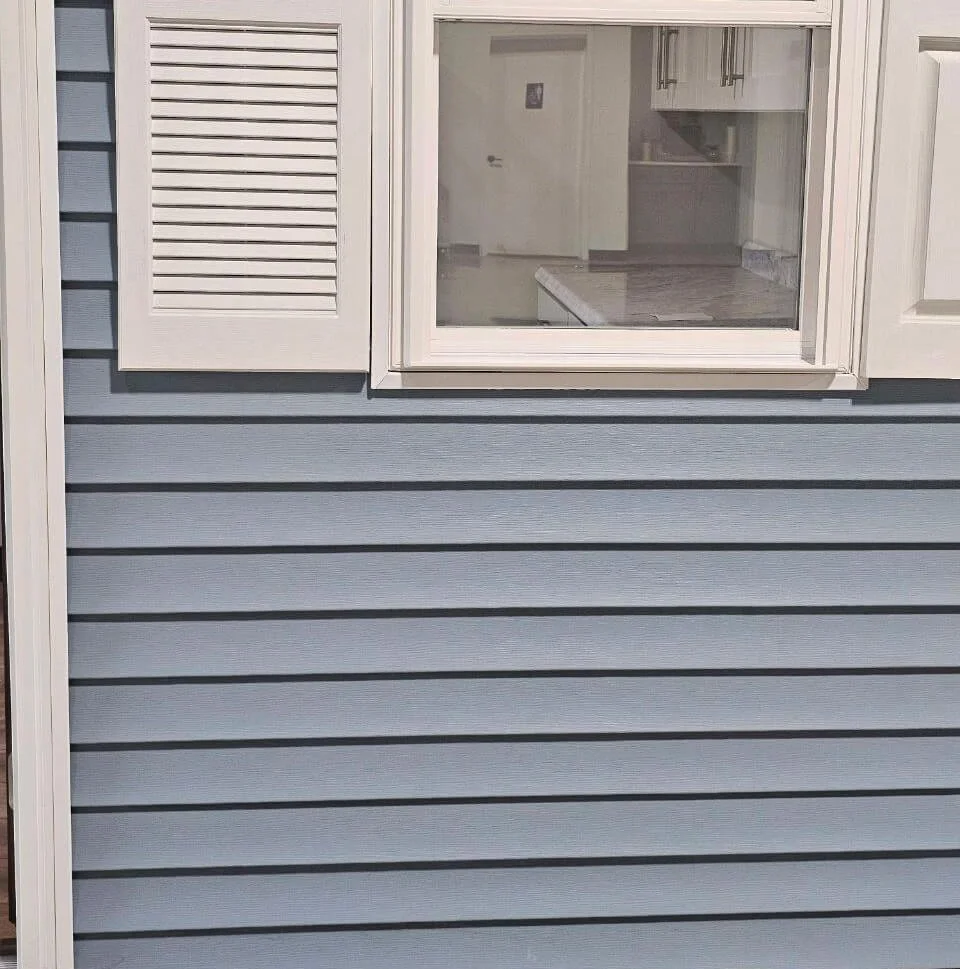
Dutch Lap Siding
Features a decorative shadow line for added dimension and traditional charm.


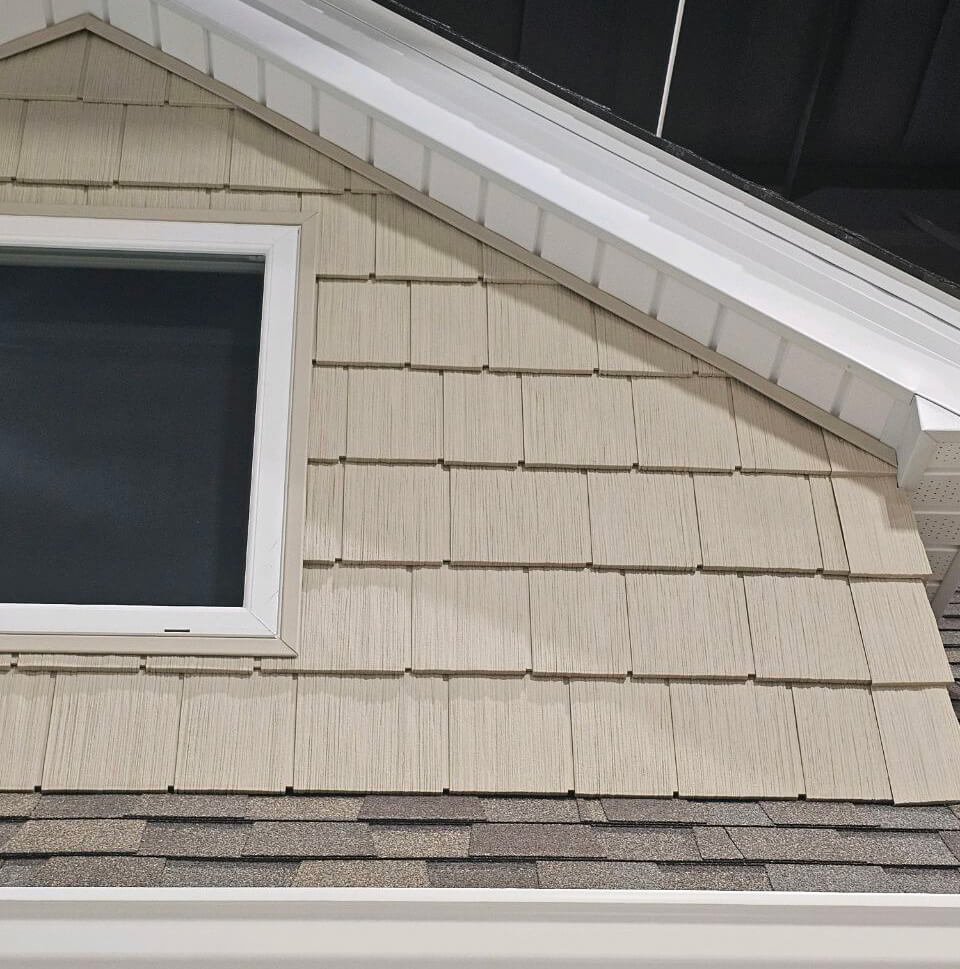
Shake and Shingle Siding
Designed to mimic the look of cedar shakes without the maintenance concerns of real wood.

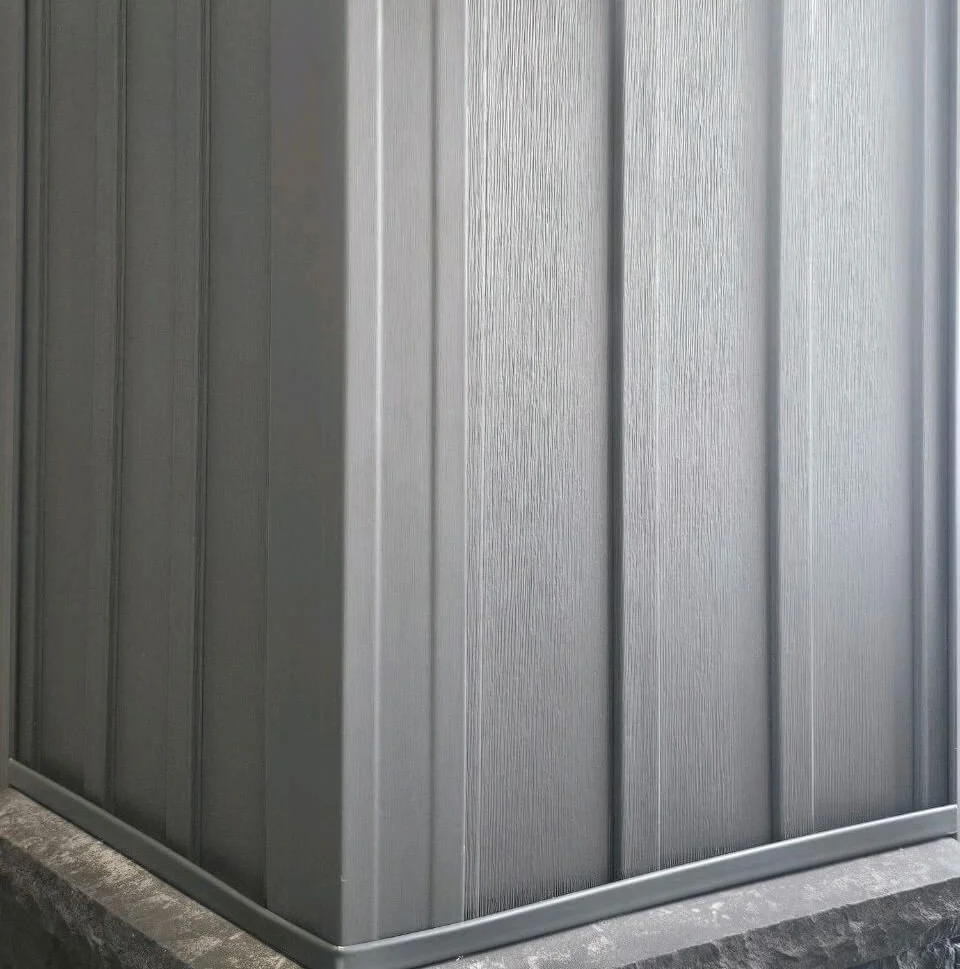
Board-and-Batten
A vertical siding style often used in farmhouse, rustic, or contemporary designs.
Polaris offers multiple profile options to help homeowners achieve their desired exterior aesthetic while maintaining durability and performance. (polarissiding.com)

How Long Does Vinyl Siding Last?
Quality vinyl siding can last decades when properly installed and maintained. Many premium manufacturers, including Polaris, offer Limited Lifetime Warranties with transferable coverage options. (polarissiding.com)
The lifespan of siding depends on several factors:
Product quality
Installation quality
Climate conditions
Sun exposure
Maintenance habits
Choosing a trusted manufacturer and experienced installer can make a significant difference in long-term performance.
Maintenance Tips for Vinyl Siding
Vinyl siding is relatively simple to maintain, but a few best practices can help extend its appearance and lifespan:
Wash siding annually to remove dirt and mildew
Inspect for loose panels after severe storms
Keep landscaping trimmed away from siding
Avoid placing grills or high heat sources too close to panels
Use gentle cleaning products rather than harsh chemicals
Proper installation is also critical. Even insulated siding must allow for expansion and contraction as temperatures change. Many homeowner discussions online emphasize that improper installation can lead to waviness or buckling issues.
Choosing the Right Vinyl Siding for Your Home
When selecting siding, homeowners should consider:
Climate and weather exposure
Desired appearance
Budget
Energy efficiency goals
Maintenance expectations
Warranty protection
For homeowners seeking enhanced insulation, durability, and appearance, Polaris insulated siding systems provide a strong balance of performance and curb appeal. Their combination of thicker panels, Neopor insulation technology, and extensive style options makes them a compelling choice for both remodels and new construction projects. (polarissiding.com)
Final Thoughts
Vinyl siding continues to be one of the most practical and versatile exterior cladding options available today. It offers homeowners an attractive, durable, and low-maintenance solution that can improve both curb appeal and long-term home protection.
With advanced features like insulated backing, high wind resistance, multiple thickness options, and broad design flexibility,Polaris Siding demonstrates how modern vinyl siding has evolved far beyond basic exterior protection. For homeowners looking to invest in long-lasting beauty and performance, vinyl siding remains a smart and dependable choice.
