
Standard vs. Insulated Vinyl Siding: Which Is Right for You?
When it comes to protecting and enhancing your home’s exterior, vinyl siding remains one of the most popular choices for homeowners. It’s durable, low maintenance, cost-effective, and available in a wide range of colors and styles. But once you start exploring your options, another important decision appears: should you choose standard vinyl siding or insulated vinyl siding?
For homeowners considering Polaris Siding, understanding the differences between these two siding types can help you make the right investment for your home, budget, and long-term goals.
What is Standard Vinyl Siding?
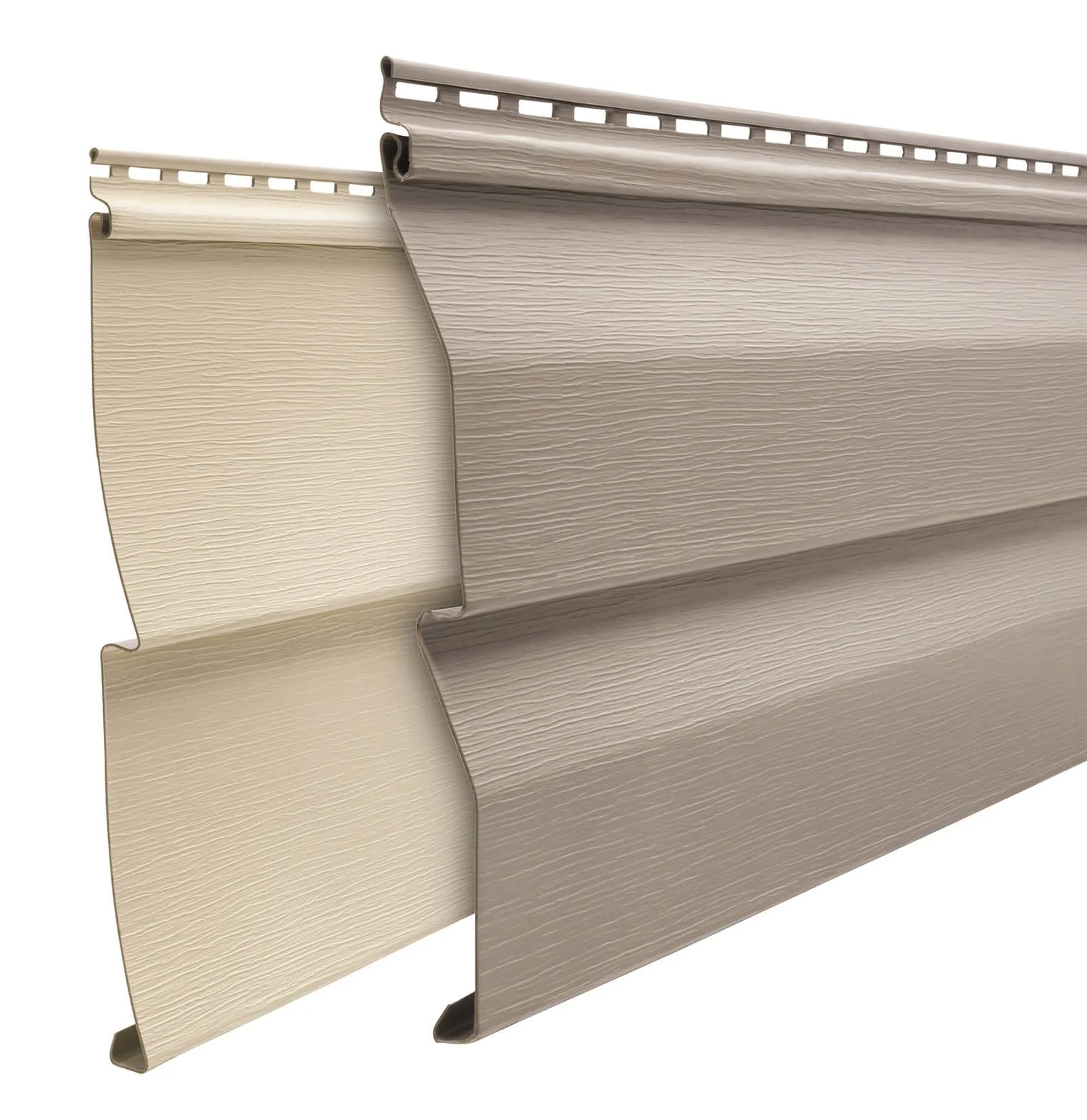
Standard vinyl siding is a traditional PVC siding product designed to provide reliable weather protection with minimal upkeep. It’s lightweight, flexible, and one of the most affordable exterior cladding materials available today. Standard vinyl siding is also known for its versatility, offering homeowners numerous design options without the maintenance demands of wood or the higher costs associated with fiber cement or engineered materials.
Benefits of Standard Vinyl Siding
Lower upfront cost
Wide variety of colors and profiles
Low maintenance requirements
Resistant to moisture, rot, and pests
Quick and efficient installation
For many homeowners, standard vinyl siding offers the perfect balance between affordability and curb appeal.
What is Insulated Vinyl Siding?

Insulated vinyl siding takes traditional vinyl siding and adds a layer of rigid foam insulation bonded to the back of each panel. This added insulation improves rigidity, creates a flatter appearance, and can help improve your home’s overall energy efficiency.
Polaris Neopor Insulated Siding features advanced Neopor® thermal insulation technology, which uses graphite-enhanced insulation to improve thermal performance compared to traditional EPS insulation. According to Polaris, Neopor insulation provides up to 20% greater insulating value than standard EPS materials. (polarissiding.com)
Key Differences Between Standard and Insulated Vinyl Siding
1. Energy Efficiency
One of the biggest selling points of insulated vinyl siding is improved thermal performance. While insulated siding won’t replace proper wall insulation, it can help reduce thermal bridging and improve indoor comfort throughout the year. Polaris insulated siding systems help create an added layer of protection against outdoor temperature fluctuations, helping homeowners maintain a more consistent indoor environment.Standard vinyl siding, by comparison, offers little to no insulating value on its own.
2. Appearance and Curb Appeal
Insulated siding often delivers a noticeably smoother and more refined appearance. The foam backing helps panels sit flatter against the wall, minimizing waviness and creating a more substantial look. This can be especially beneficial for older homes where uneven wall surfaces may be more noticeable beneath traditional siding panels.

3. Durability and Impact Resistance
Because insulated siding is reinforced with rigid foam backing, it tends to feel sturdier and more resistant to impacts than hollow standard vinyl siding. Homeowners often notice less rattling during windy conditions and improved overall rigidity. Polaris insulated siding products are designed with durability in mind, offering strong windload performance and long-term weather resistance. (polarissiding.com)
4. Cost Considerations
The primary advantage of standard vinyl siding is affordability. Insulated siding generally costs more upfront due to the added insulation layer and enhanced performance features. Industry sources estimate insulated siding may cost anywhere from 20% to 50% more than traditional vinyl siding, depending on the product and installation requirements.However, many homeowners view insulated siding as a long-term investment because of the added comfort, improved aesthetics, and potential energy savings.
When Standard Vinyl Siding Makes Sense
Standard vinyl siding may be the right choice if:
You’re working within a tighter renovation budget
Your home already has strong wall insulation
You want a reliable, low-maintenance exterior solution
You’re prioritizing affordability over added performance features
Modern standard vinyl siding still offers excellent durability and visual appeal, especially when professionally installed.
When Insulated Vinyl Siding Is Worth the Upgrade
Insulated vinyl siding may be ideal if:
You want to improve your home’s energy efficiency
You’re looking for enhanced curb appeal
Your current siding appears uneven or wavy
You live in an area with harsh seasonal temperatures
You want added durability and noise reduction
Homeowners who prioritize comfort, appearance, and long-term performance often find insulated siding to be a worthwhile investment.
Why Homeowners Choose Polaris Siding
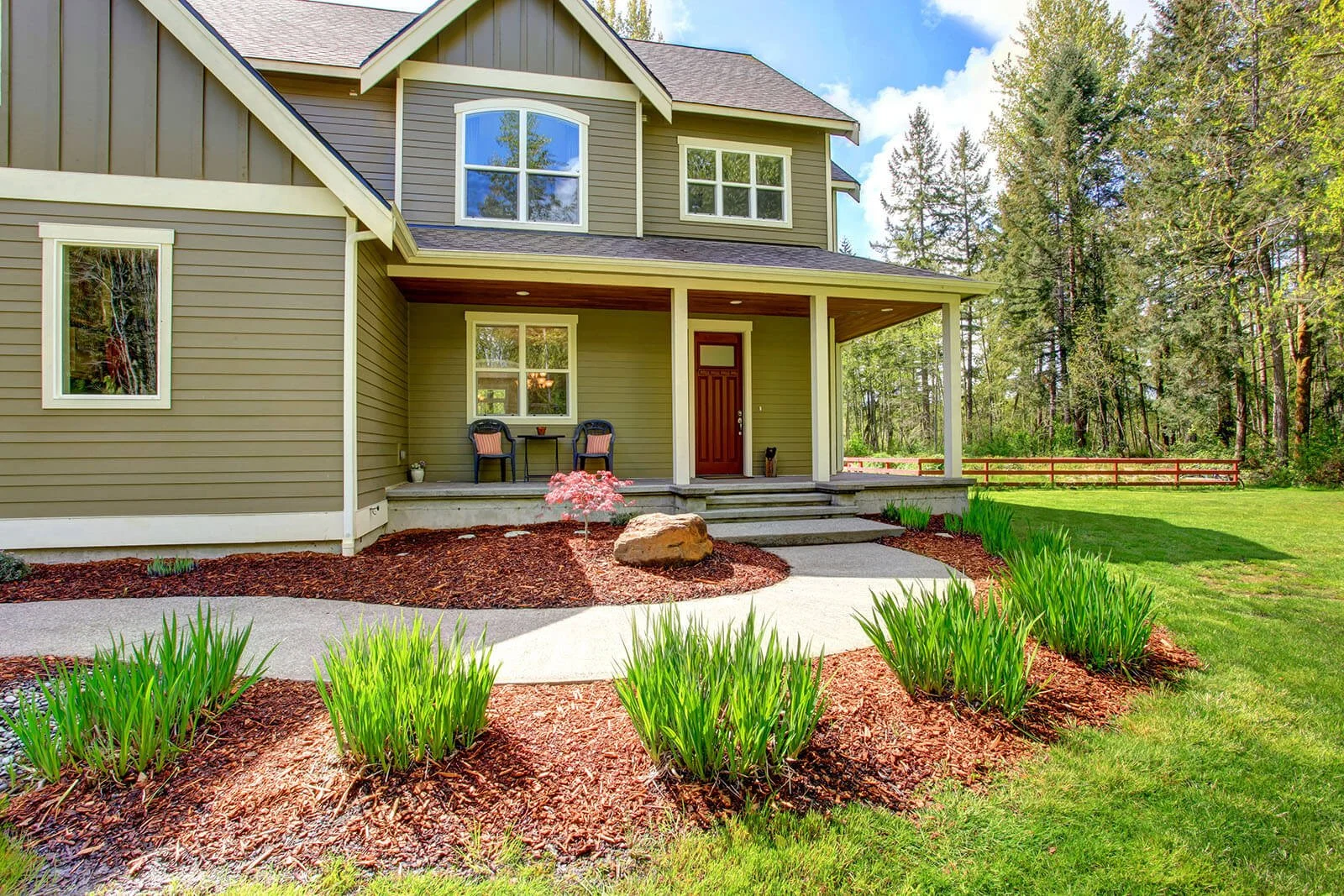
Polaris Siding Products are designed to combine beauty, durability, and performance. Whether you choose traditional vinyl siding or an insulated system featuring Neopor technology, Polaris offers products engineered for long-lasting curb appeal and reliable protection.
Our insulated siding options are especially appealing for homeowners looking to enhance both the appearance and efficiency of their homes without sacrificing the low-maintenance benefits vinyl siding is known for.
Final Thoughts
Choosing between standard and insulated vinyl siding ultimately comes down to your priorities. If affordability and simplicity are most important, standard vinyl siding remains a dependable and attractive option. But if you’re looking for added comfort, improved energy performance, enhanced durability, and a more premium appearance, insulated vinyl siding from Polaris may provide greater long-term value.
No matter which option you choose, investing in quality siding can dramatically improve your home’s appearance, protection, and overall value for years to come.